No Ocean? No Problem: The Inland Towns Turning Wave Pools Into Surf Meccas
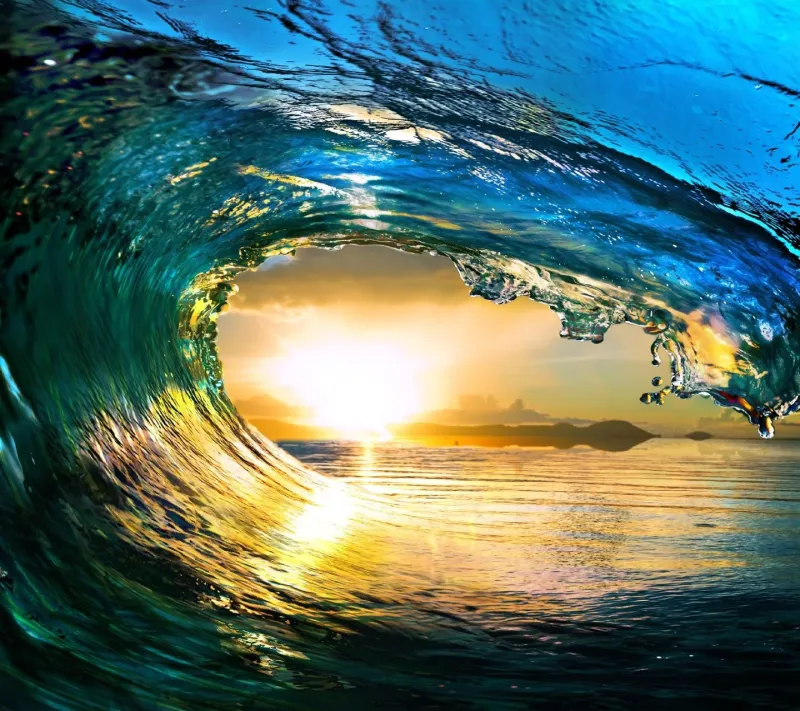
Photo: wave pool inland surfing facility surfers riding artificial waves, via cdn.wallpapersafari.com
Picture a Sunday morning surf session: alarm goes off before dawn, you throw your board in the truck, stop for gas station coffee, and drive to the break. Except the break is a 45-minute drive from downtown Austin, Texas, surrounded by cedar trees and limestone hills, and the waves are being generated by a massive underwater slab of technology that cost more than most houses.
Welcome to landlocked American surf culture. It's weirder, scrappier, and more passionate than you might expect — and it's growing fast.
The Infrastructure Is Real Now
For years, wave pools were novelty attractions. You'd see them at water parks, small and choppy, good for a laugh but not for actually learning to surf. That changed dramatically when facilities like the BSR Surf Resort in Waco, Texas and the American Wave Machines-powered spots across the country started generating waves that even veteran ocean surfers had to respect.
Waco's BSR, which opened its surf wave in 2018, became something of a landmark moment for the inland surf conversation. Suddenly, a city in the middle of Central Texas was hosting professional surf competitions and drawing riders from across the country. The waves weren't perfect replicas of ocean surf — they had their own personality, their own rhythm — but they were legitimate. People were learning real skills on them. People were getting genuinely stoked.
Since then, the wave pool industry has exploded. Facilities have opened or are under construction in states like Ohio, Missouri, Utah, and Georgia. Each one has become a nucleus around which a local surf community has begun to form, often in places where that community had no real precedent.
Austin, Texas: Where the Scene Has Already Arrived
Austin might be the most fully realized example of what an inland surf culture can look like when it gets a few years to develop. The city has always had a culture of outdoor recreation and a population that skews young and adventurous, which made it fertile ground for surfing to take root.
The community that's grown up around the Central Texas surf facilities is genuinely diverse — you'll find everyone from college students to retirees, tech workers to musicians, all united by an enthusiasm for riding waves that their geography technically shouldn't allow them to access.
"People think it's a joke at first," says Marcus Delgado, a 34-year-old Austin resident who's been surfing Waco and other nearby facilities for four years. "Then they come out and watch for ten minutes and they get it. The stoke is exactly the same."
Local surf shops have emerged to serve the community. Informal coaching networks have developed. There are group sessions, beginner clinics, and the kind of early-morning regulars scene that feels, in every meaningful way, like a beach break lineup transplanted inland.
Colorado's Hidden Surf Scene
Colorado might seem like the last place you'd expect a surf culture to take hold, but the state has been quietly building one for years — partly through wave pools and partly through something even more unexpected: river surfing.
The Arkansas River, the Poudre River, and several other Colorado waterways produce standing waves during the right seasonal flows, and a dedicated community of river surfers has been riding them for decades. These aren't ocean surfers doing something second-best. Many of them have never had any interest in ocean surfing and find the river experience — intimate, powerful, technically demanding — completely fulfilling on its own terms.
The addition of wave pool facilities in the Denver metro area has expanded the community further, creating overlap between the river crowd and a newer generation of surfers who want something closer to a traditional ocean experience.
"We've got our own thing going here," says Jade Whitfield, who runs a small surf coaching operation in Fort Collins. "It's not trying to be California. It's Colorado surf culture, and that's its own legitimate thing."
The Midwest Is Waking Up
Back in the heartland, the Great Lakes have long been a secret surf destination — Lake Michigan in particular produces genuine waves during autumn and winter storms, and cities like Chicago, Milwaukee, and Traverse City have small but passionate surf communities built around those conditions.
But wave pool development is accelerating what the lakes started. Ohio, Indiana, and Illinois have all seen new facilities open or break ground in recent years, and the effect on local surf culture has been immediate. Shops are opening. Coaching programs are launching. Kids who grew up a thousand miles from any ocean are learning to surf before they've ever seen a saltwater break.
"I think that's actually kind of beautiful," says Tomoko Imai, a surf instructor at a facility outside Columbus, Ohio. "These kids don't have any of the gatekeeping baggage that sometimes comes with coastal surf culture. They just love it. They're completely pure about it."
A Different Kind of Surf Identity
One of the most interesting things about inland surf communities is the way they're developing their own cultural identities, distinct from the California-Hawaii axis that has traditionally defined American surf culture.
There's no sun-bleached beach aesthetic here, no palm trees or boardwalks. The aesthetic is whatever the local environment actually looks like — Texas hill country, Colorado mountains, Midwest cornfields. And rather than trying to import coastal culture wholesale, many of these communities are leaning into that difference.
Inland surfers tend to be slightly more eclectic in their tastes — more likely to mix surfing with snowboarding, skateboarding, river sports, and other disciplines. They've developed their own slang, their own events, their own version of the lineup social dynamics that govern surf culture everywhere.
And they're deeply committed. When you're paying wave pool session fees and driving an hour each way instead of just walking down to the beach, you're making a real investment in the sport. That tends to filter for people who genuinely love it.
The Democratization of the Lineup
Perhaps the most significant thing about the inland surf boom is what it means for access. Ocean surfing has always been, by definition, geographically exclusive. Wave pools and river breaks change that equation in a fundamental way.
For the roughly 200 million Americans who don't live within easy driving distance of a surfable coastline, these inland facilities represent the first realistic opportunity to experience the sport. And as the technology improves and costs gradually come down, that access is only going to expand.
Surfing has always talked about itself as a lifestyle and a culture as much as a sport. The inland wave movement is the first time that culture has had the infrastructure to back up that claim across the full geography of the United States.
The waves may be artificial. The stoke is absolutely not.