Frame, Delete, Repeat: The Ethics Every Surf Photographer Lives By
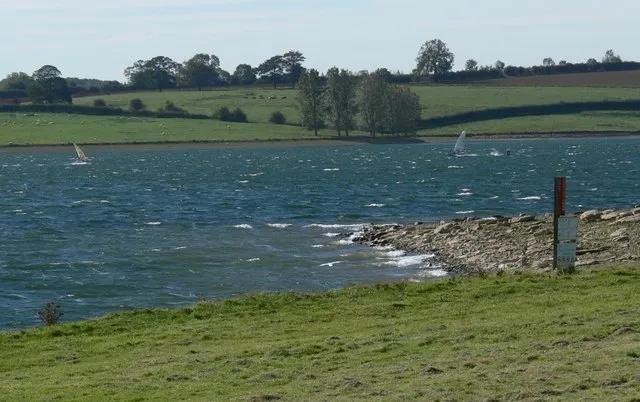
Photo: Mat Fascione, CC BY-SA 2.0, via Wikimedia Commons
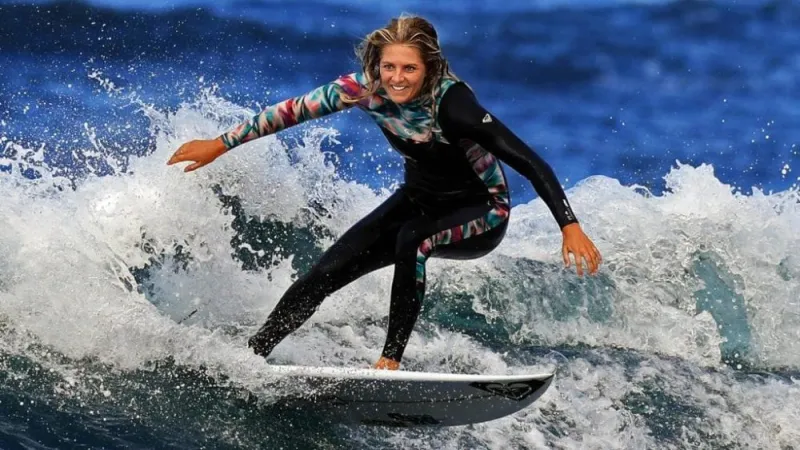
There's a moment every surf photographer knows. You've been in the water for two hours, arms burning, getting worked by closeouts, and then it happens—the light drops just right, a surfer threads a barrel so clean it looks computer-generated, and your shutter fires at exactly the right millisecond. You look at the back of the camera and feel that particular kind of electric joy that keeps you coming back.
Then someone paddles over and says, quietly but clearly: Please don't post that.
What you do next says everything about who you are in this culture.
The Camera as a Social Contract
Surf photography sits at a strange intersection. On one side, it's art—genuinely gorgeous documentation of one of the most visually spectacular sports on earth. On the other, it's a form of surveillance, whether you intend it that way or not. Every frame you take at a break is data: data about the wave, the crowd, the conditions, and sometimes the exact GPS coordinates that a surf-hungry algorithm can reverse-engineer from a single geotagged image.
"When I started shooting in the late nineties, the worst that could happen was your photo ended up in a magazine," says Marcus Reyes, a San Diego–based water photographer who's been shooting up and down the California coast for over two decades. "Now a single Instagram post can turn a quiet reef into a zoo by the following weekend. The reach is just incomprehensible compared to what it used to be."
That reach is the crux of the ethical tension. A photographer's job, in the most basic sense, is to share what they see. But surf culture has always had a complicated relationship with visibility—especially at breaks that locals have quietly maintained, respected, and sometimes physically protected for generations.
Locals First, Always
Ask any experienced surf photographer about their personal code and you'll hear a version of the same principle: the people in the water come before the image. That sounds simple enough, but in practice it requires real social awareness and sometimes a willingness to walk away from genuinely stunning work.
Jessica Tanaka shoots primarily in the Pacific Northwest, where the surf community is tight-knit and deeply protective of certain breaks. She describes an unspoken interview process that happens before she ever raises her camera at a new spot.
"You don't just show up with a long lens and start firing," she says. "You paddle out, you sit in the lineup, you talk to people. You figure out what the vibe is. Some places, people are totally stoked to be photographed. Other places, you can feel the energy shift the second you pull out your camera. You read that and you act accordingly."
Tanaka keeps a personal rule: if she doesn't know the people she's shooting, she asks before she posts. "It takes thirty seconds to paddle over and say, 'Hey, I got a great shot of you—cool if I share it?' Most surfers are pumped. And the ones who aren't, I respect that completely. The shot doesn't exist for me if they don't want it to."
The Geotagging Problem
If there's a single issue that unites surf photographers across every coast, it's geotagging—the practice of embedding location data in images or explicitly tagging a spot in social media posts. What seems like helpful context to a viewer can function as a treasure map to a previously uncrowded break.
"I've watched it happen in real time," says Derek Hollis, who shoots from New England down through the Outer Banks. "A photographer posts something gorgeous from a spot that maybe had fifteen people on a good day. Tags the location. Six weeks later, you can barely find parking."
Hollis now has a strict no-location policy for anything he considers a community resource. His captions are deliberately vague—"somewhere cold" or "somewhere worth the drive"—and he's gotten pushback for it from followers who accuse him of gatekeeping. He doesn't see it that way.
"Gatekeeping implies I own something. I don't. I'm just trying to be a good guest in places that have been generous enough to let me witness them. If keeping the location ambiguous means the break stays manageable, that's worth more than the engagement I'd get from tagging it."
When the Best Shot Isn't the Right Shot
Beyond location, there are subtler ethical layers that the best photographers think about constantly. Catching a surfer in a wipeout that ended in injury. Photographing a kid who's clearly still learning and would be mortified by the image. Getting a frame that's technically incredible but captures a private moment—a grief ritual, a memorial paddle-out, a quiet session between two people who came to the water to be alone.
"The camera doesn't have a conscience," Marcus Reyes says. "You have to supply that yourself."
He describes keeping what he calls a "shadow archive"—images he considers some of his finest work that he'll never share publicly because the circumstances around them weren't right. A paddle-out for a surfer who passed away. A moment between a father and his daughter on her first real wave, at a spot the family has surfed for three generations. "That belongs to them, not to my feed."
This idea—that some moments are too meaningful to commodify—runs counter to the relentless content logic of social media, where more is always more and virality is the ultimate metric. But the photographers who've built lasting respect within surf communities tend to operate by a different math entirely.
Building Trust, One Session at a Time
The paradox of ethical surf photography is that restraint often produces better work. When surfers trust a photographer, they relax. They stop performing for the camera and start just surfing. The resulting images have a quality that staged or stolen shots almost never achieve.
"The best sessions I've ever photographed were with people who knew me, trusted me, and forgot I was there," Jessica Tanaka says. "That's what you're chasing—that moment where the camera disappears and you're just bearing witness to something real."
Achieving that takes time. It takes showing up consistently, being a visible part of the community, demonstrating through action that you understand the culture and care about it. It means sometimes putting the camera down entirely and just surfing alongside people until they see you as a surfer who happens to shoot, rather than a photographer who happens to surf.
The distinction matters more than it might sound.
What the Best Photos Actually Capture
At its finest, surf photography doesn't just document waves—it documents community. The handshake in the lineup after a sick set. The grom getting hyped by the older locals. The way a break changes personality with the tide. These are the images that outlast the viral moment, the ones that end up on walls and in archives, the ones that future surfers look at and feel the stoke of something larger than a single ride.
Capturing that requires being trusted enough to be present for it. And being trusted requires earning it—frame by careful frame, deleted post by deleted post, quiet conversation by quiet conversation.
The best surf photographers know that what they choose not to share is just as much a part of their craft as what they do. The ocean doesn't owe anyone a photo opportunity. But the community, if you treat it right, might just invite you back.