Old Shapes, New Obsession: Why Younger Surfers Are Going Crazy for Vintage Boards
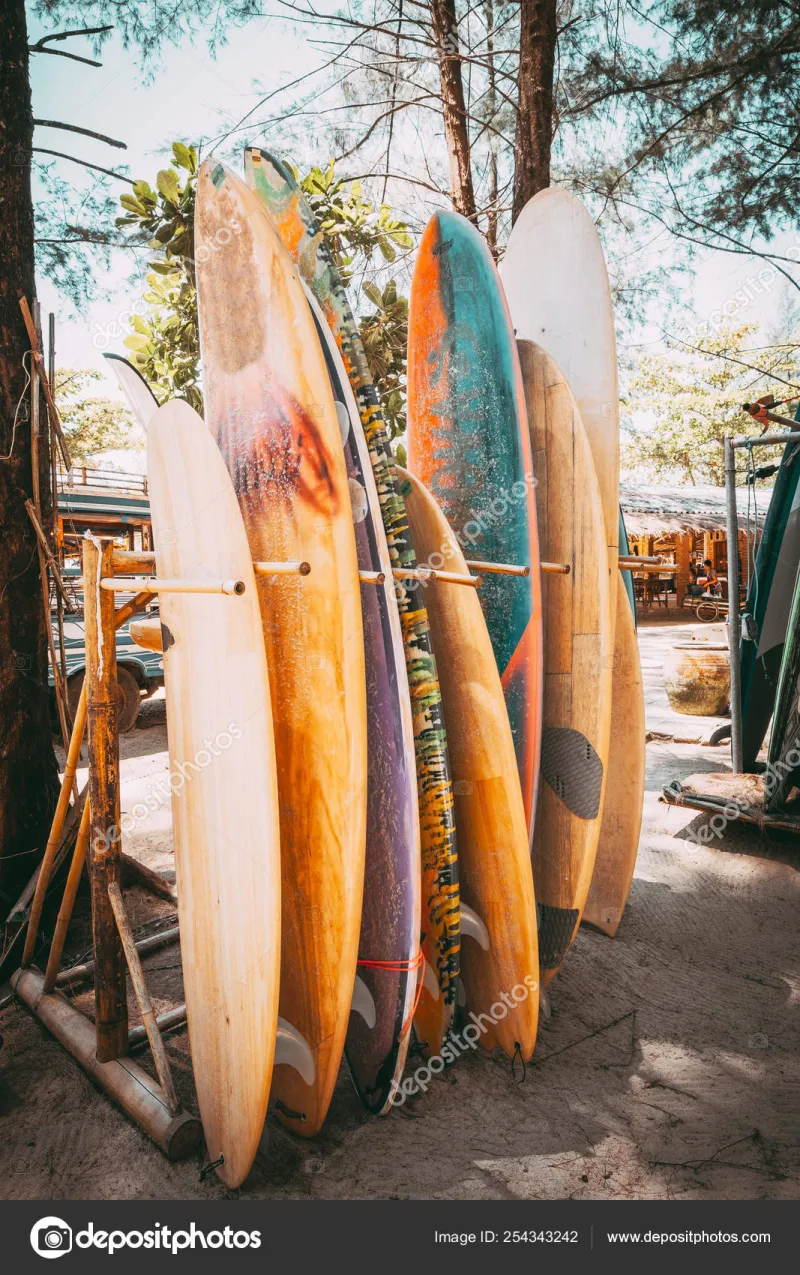
Photo: vintage retro surfboard single fin 1970s surf culture beach, via www.babeyond.com
The Board That Started the Conversation
It usually begins with a photo. Someone spots a board leaning against a wall in a vintage surf film still, or catches a clip on TikTok of a surfer absolutely gliding on something thick and yellow and ancient-looking, and the question hits: what is that thing?
That thing might be a mid-70s single fin with a wide pintail and a volan glass job that's turned the color of old teeth. It might be a twin fin fish from the early 1980s, squat and fast and built for pure fun rather than competitive performance. Whatever the specific shape, it carries a visual weight that modern boards — sleek, white, symmetrical — simply don't.
And right now, for a significant slice of American surfers under 30, that visual weight is irresistible.
Retro Isn't New, But This Is Different
Surf culture has always had a nostalgic streak. Longboards never fully went away. Single fins have had their champions in every generation. But what's happening today feels qualitatively different from previous retro waves, and a few things set it apart.
First, the scale. Vintage and retro-inspired boards now represent a meaningful share of the custom order business at shaping bays across California, Hawaii, and the East Coast. Shapers who spent the 2000s and early 2010s primarily building high-performance shortboards report that a growing percentage of their current orders are for shapes they haven't regularly produced in decades — twin fins, bonzers, single fin noseriders, and wide-nosed eggs.
Second, the demographics. This isn't a wave of 45-year-olds chasing their youth. The surfers leading the charge are genuinely young — many of them relatively new to surfing — and they're choosing retro shapes as their primary boards, not as novelty additions to an already-stocked quiver.
Third, and maybe most interesting: social media is doing something to these boards that no previous generation of retro revival experienced. It's turning them into cultural objects.
Instagram, TikTok, and the Aesthetics of Stoke
There's no polite way to say this: vintage surfboards are incredibly photogenic. The aged resin, the hand-foiled rails, the fin boxes that look like they belong in a museum — they photograph beautifully, and they stand out hard against the visual sameness of modern equipment.
On Instagram, accounts dedicated to vintage board collecting have accumulated followings in the tens of thousands. Boards are staged in golden-hour light against weathered wood fences, or propped in the shallows of empty breaks at dawn. The aesthetic borrows from analog photography, surf film culture, and a broader Gen Z appetite for anything that feels handmade, imperfect, and real.
TikTok adds another dimension. Short clips of surfers actually riding these shapes — unhurried, stylish, clearly having more fun than anyone in a contest jersey — rack up millions of views. The algorithm rewards the visual contrast: here's what surfing looked like before it got optimized, and it looks good.
Mia Chen, a 22-year-old surfer from San Diego who runs a TikTok account focused on vintage board reviews, has seen her following grow substantially over the past two years. "People keep telling me they had no idea surfing could look like that," she says. "Like they thought surfing was all aerial tricks and competition heats. And then they see someone just flowing on a single fin and something clicks for them."
The Shapers Bringing It Back
The demand has created a renaissance for a generation of shapers who lived through the original eras these boards represent. Veterans who started shaping in the 1970s and built their reputations on the very templates now trending are suddenly fielding more orders than they've seen in years.
Bill Thrailkill, who has been shaping out of a small bay in Encinitas, California since 1974, says the phone started ringing differently about three years ago. "Young kids, mostly. They'd come in with a photo they found online and say 'can you build me this?' And half the time the photo was one of my boards from 30 years ago." He laughs. "I still have the templates. I just pulled them back off the rack."
What strikes Thrailkill about the new wave of retro buyers is their genuine curiosity. "They want to know why the shape works. Why the tail width matters, what the single fin does to the way the board tracks. They're not just buying a look — they actually want to understand the craft."
That curiosity is showing up in shaping schools and glassing workshops too. Programs that teach traditional hand-shaping techniques — the kind that were being displaced by CNC machine cutting — are reporting increased enrollment from younger participants who want to learn the process from scratch.
What the Boards Actually Ride Like
Here's the part that surprises people who've only known performance shortboards: these old shapes are genuinely fun to surf, often in conditions where a modern board would feel stiff and uncooperative.
A wide twin fin fish, for example, absolutely comes alive in waist-to-chest-high beach break — the kind of everyday surf that makes up the majority of sessions for most American surfers. It generates speed differently than a thruster, turns more loosely, and rewards a more flowing, less aggressive style. A thick single fin egg is forgiving in a way that invites experimentation rather than demanding precision.
For newer surfers especially, this matters. The retro renaissance isn't just aesthetic — it's also a practical discovery that surfing can be more accessible and more joyful when you're not fighting a board designed for elite athletic performance.
More Than Nostalgia
The deeper thing happening here isn't really about the past at all. It's about a generation of surfers defining their relationship to the sport on their own terms, pushing back against the idea that newer always means better, and finding value in objects that carry history and craft in their construction.
Surfboards on Parade has long believed that the culture around surfing is as rich as anything happening in the water. The vintage board revival is a perfect expression of that — a reminder that surf culture has decades of accumulated wisdom, style, and soul to draw from, and that sometimes the most exciting direction to look is backward.
The boards have stories. The new generation is listening.