Wax, Wood, and Watercolor: The Surfers Turning Boards Into Museum-Worthy Art
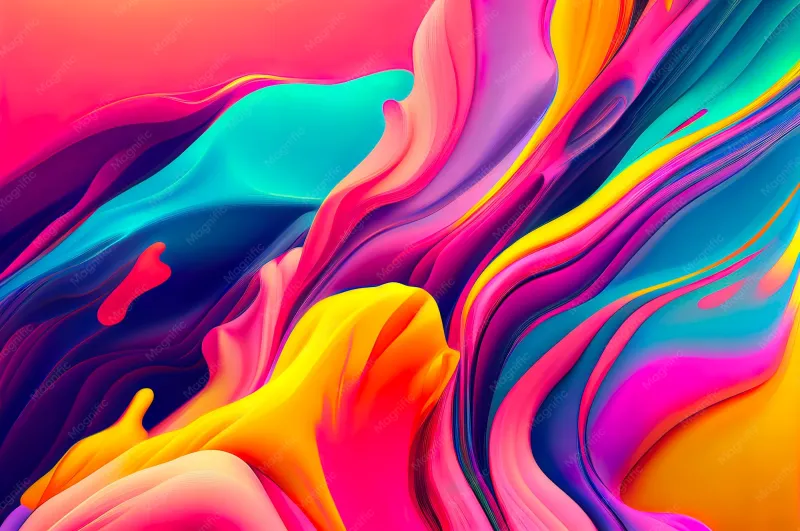
Photo: colorful painted surfboard displayed in art gallery on white wall, via img.freepik.com
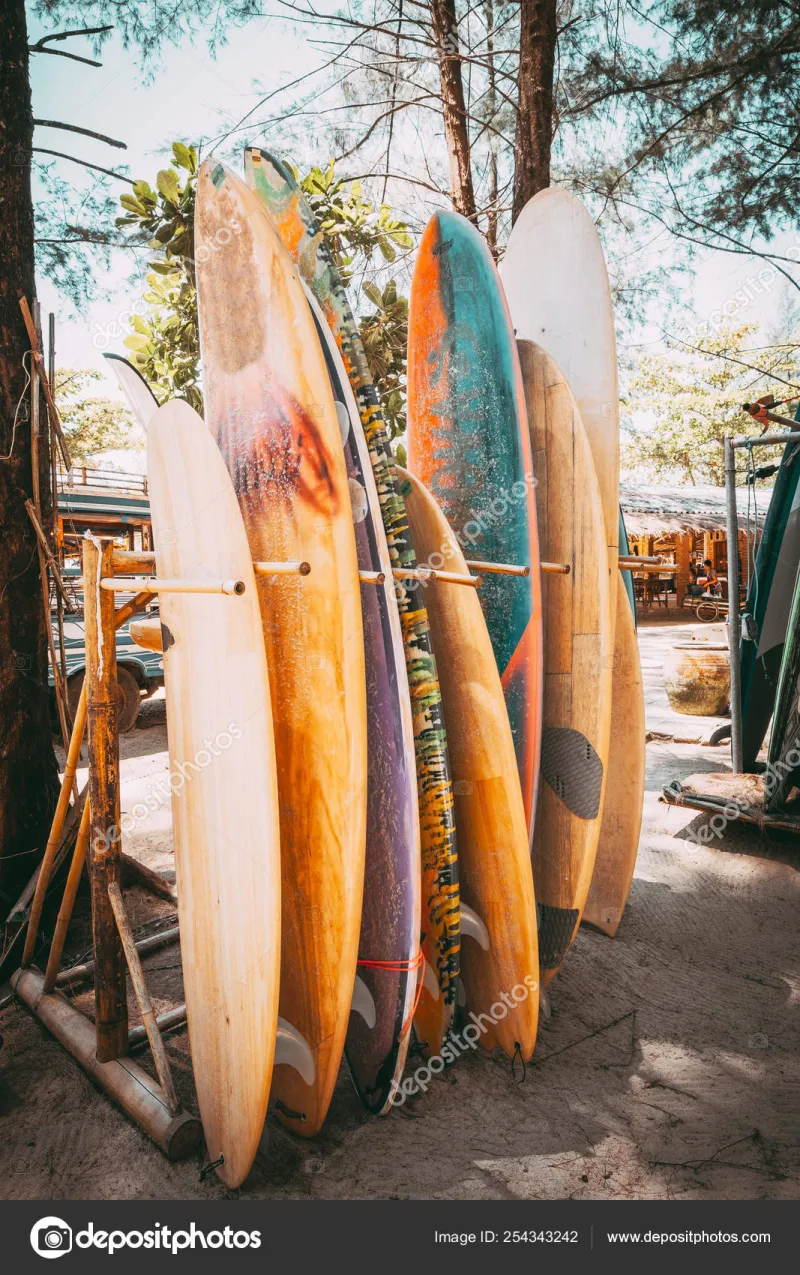
Walk into most surf shops and you'll find boards lined up like soldiers — functional, beautiful in a utilitarian way, built to move through water. But walk into the Outer Sunset Gallery in San Francisco on a Friday night and you might find something different: a hand-shaped 9'2" longboard mounted on a white wall, lit from above like a Basquiat, price tag hovering just south of four grand. No leash included.
Something is shifting in the way Americans think about surfboard art, and it's happening fast.
From Functional to Fine
Surfboard graphics have always had a visual identity. Airbrush flames, tribal patterns, resin tints bleeding into each other — these weren't just decoration, they were part of the board's soul. But somewhere in the last decade, a handful of artists started asking a different question: what if the board was the painting?
That question has produced some genuinely stunning answers. Artists like San Diego-based Kaia Morales and Portland transplant Drew Eckhart have built entire careers around boards that are never meant to touch water. Morales, who grew up surfing Tourmaline, began layering encaustic wax and botanical dyes over foam blanks around 2018. Her boards — dense with texture, almost geological in feel — started showing up in group shows, then solo exhibitions, then a permanent collection at a small contemporary art museum in Encinitas.
"People kept asking me if they could actually surf them," she laughed during a recent conversation at her studio. "And I get it. That's the instinct. But it's like asking if you can eat a painting of an apple. The object is doing something else now."
Eckhart comes at it from the opposite direction — he's a painter first, surfer second. He started shaping his own blanks specifically because he wanted a three-dimensional canvas with cultural weight. "A stretched linen rectangle is neutral," he explained. "A surfboard carries history, geography, subculture. When you paint on one, you're in conversation with all of that."
The Collector's Eye
Where there's art, there are collectors. And the surfboard art world has developed a surprisingly robust collector base that extends well beyond the surf community.
Marco Thibodeau, a Chicago-based tech entrepreneur with no surfing background whatsoever, owns eleven boards. He discovered the medium at Art Basel Miami in 2022, where a collaborative piece between a Hawaiian shaper and a New York abstract painter stopped him cold. "I didn't know anything about surfing," he admitted. "I just knew the object was extraordinary. The curve of it, the way the resin caught the light. I bought it on the spot."
Thibodeau now follows several artists closely and has connected with a loose network of collectors doing the same. He estimates the market for high-end collectible boards — pieces explicitly made as art objects rather than rideable equipment — has grown considerably in the last three years, though he acknowledges it remains informal and hard to track. "There's no Christie's auction for surfboard art yet," he said. "But give it five years."
Limited-edition collaborations are driving a lot of the buzz. Brands like Channel Islands and Firewire have partnered with visual artists on small production runs that sell out within hours. These pieces exist in a middle ground — technically rideable, but purchased primarily as objects. They function as a gateway for collectors who want something tangible, something with provenance and scarcity, but aren't yet ready to pay gallery prices for a purely decorative board.
The Accessibility Question
Not everyone in the surf community is celebrating.
There's a real tension here, and it's worth sitting with. Surfing has long struggled with gatekeeping — access to beaches, access to good equipment, access to instruction. When surfboards start selling for thousands of dollars as art objects, some longtime surfers feel like the culture is being aestheticized for wealthy outsiders while working-class surfers get left behind.
"I grew up in Oceanside," said one local shaper who asked not to be named. "My first board was a beat-up thruster I bought off Craigslist for sixty bucks. The idea of someone in a penthouse hanging a board they've never paddled out on — I don't know how to feel about that."
It's a fair critique. The art world's embrace of surf culture can sometimes feel extractive, lifting the visual language without engaging the lived experience. And there's a real risk that as boards become luxury objects, the conversation shifts away from the water and toward the white-wall gallery circuit.
But artists like Morales push back on the framing. "My work is about the ocean, about California coastal ecology, about the communities that live on the water," she said. "If someone in Chicago buys a piece and starts researching what I'm actually talking about, that's not extraction. That's a bridge."
Some artists are deliberately keeping prices accessible, selling smaller pieces and prints alongside major works. Community events like pop-up board shows at local surf spots — think art walk meets dawn patrol — are another way the movement is trying to stay rooted in the culture that created it.
Where It Goes From Here
The Surfboard Art Collective, a loose network of artists based primarily on the West Coast, held its third annual invitational in Encinitas last spring, drawing over two thousand visitors across a weekend. Works ranged from a hand-painted fish deck priced at $400 to a large-scale installation piece built from forty reclaimed boards, asking $22,000. Both sold.
Museums are starting to take notice. The Mingei International Museum in San Diego recently acquired three boards for its permanent collection under its material culture umbrella. The Surfing Heritage and Culture Center in San Clemente has long displayed historic boards, but curators there say they're actively developing new programming around contemporary board art specifically.
What's most exciting, maybe, is how porous the boundaries are becoming. Painters are learning to shape. Shapers are learning to paint. Surfers are walking into galleries. Non-surfers are walking into surf shops. The board — that curved, waxed, salt-stained object — turns out to be a pretty compelling point of convergence.
The wave is moving. Whether you ride it or hang it on your wall, something real is happening.