Paddle In: The Surfers Who Are Showing Up So Everyone Gets a Wave
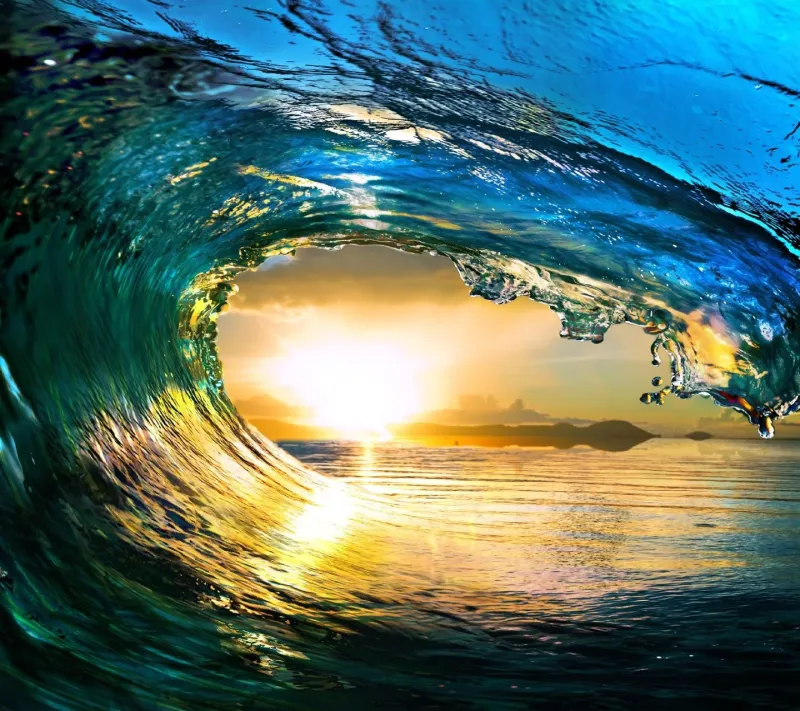
Photo: Evgeny2665, CC0, via Wikimedia Commons
The first time Destiny Okafor paddled out at Rockaway Beach, she turned around before she even reached the break. "I just felt like everyone was watching me," she said. "Like I didn't belong there. I didn't know the unwritten rules. I didn't know anyone. I just turned around and went back to the sand."
That was four years ago. Last summer, Destiny was in the water three days a week. She volunteers on weekends with the same program that eventually got her back out there. She's currently learning to read tides.
Her story isn't unique. But the fact that it has a second chapter — that's becoming more common, thanks to a growing network of mentors, programs, and community organizations working to make American surf culture genuinely welcoming to people who've historically been pushed to the margins.
The Lineup Has Always Been Political
Let's be honest about something: surfing in America has a gatekeeping problem. It always has. The image of surfing — the one that sold in movies, magazines, and marketing campaigns for decades — was white, male, and Californian. That image shaped who felt invited to show up, who got help when they were learning, and who got dropped in on or stared down when they paddled out anyway.
The systemic barriers are real and layered. Beach access in many coastal communities has historically tracked with race and class — some of the most famous surf breaks in the country sit adjacent to neighborhoods that were shaped by exclusionary housing policies. Gear is expensive. Lessons are expensive. The cultural fluency required to navigate a lineup — knowing when to go, how to communicate, how to handle a wipeout without losing your spot in the pecking order — is typically passed down person to person, and if you don't know anyone already in the water, that knowledge isn't available to you.
None of this is new information. What is newer is the organized, intentional response.
Meeting People at the Water's Edge
Black Girls Surf, founded by Rhonda Harper, has been one of the most visible organizations working to change the landscape for Black women in surfing, operating programs along both coasts and internationally. But the energy isn't just coming from established nonprofits — it's bubbling up at the hyper-local level in ways that are harder to track but just as important.
In Los Angeles, a group of Latina surfers started meeting informally at El Porto about three years ago, eventually formalizing into a small mentorship collective that now runs monthly beginner sessions. In Houston, a Gulf Coast surf club has built a specific onboarding track for first-generation surfers from the city's Vietnamese and Salvadoran communities, pairing newcomers with experienced surfers who speak their language — literally and culturally.
In New Jersey, Marcus Webb has been running free Saturday morning sessions at Asbury Park for two years. Webb, who grew up in Newark and learned to surf in his thirties, is direct about his motivation. "I didn't have anyone to show me the ropes. I figured it out alone, which meant I made every mistake twice and felt like an outsider for way longer than I needed to," he said. "I don't want that for the next person."
His sessions draw a mix of beginners, most of them from inland communities of color. He provides boards, wetsuits, and — crucially — his time and patience. He teaches water safety and surf etiquette alongside the physical mechanics of paddling and popping up. But he's equally focused on the social dimension: helping people feel like they have a right to be in the water.
"That's the thing nobody teaches you," he said. "That the ocean is for you too."
What Mentorship Actually Looks Like
Effective mentorship in this context isn't just about technique. The surfers doing this work describe something more holistic — a sustained presence, a consistent message that belonging is possible.
For Keani Akana, a Native Hawaiian surfer based in Oahu who now spends part of each year in California running youth programs, the cultural dimension is central. "Surfing comes from my culture," she said. "And then my culture got pushed out of it. There's something deeply important about bringing Hawaiian and Pacific Islander kids back to the water and saying, this is yours. This was always yours."
Akana's programs incorporate mo'olelo — storytelling — alongside surf instruction, grounding the physical practice in its origins. She's seen the effect it has on participants, particularly teenagers who've grown up seeing surfing marketed as something for a specific kind of person. "When they understand the history, something shifts. They stand up differently."
For women in the water, the barriers are somewhat different but equally persistent. Sexism in lineups is well-documented and frustrating — the assumption of incompetence, the dropped-in-on sets, the commentary. Women-specific mentorship programs create spaces where that friction is removed, at least at first, allowing beginners to build confidence before navigating mixed lineups.
Sarah Nakamura runs a women's surf collective in San Diego that pairs intermediate surfers with beginners for a six-week commitment. "The goal is always to get people to a place where they don't need us anymore," she said. "Where they feel confident enough to paddle out anywhere." The collective has graduated over 150 women in three years. Many of them now mentor others.
The Ripple Effect
What's striking about these efforts, taken together, is how they're changing not just who surfs but what surf culture looks like at the community level. When more people from more backgrounds are in the water, the culture around the water shifts too. The music at the bonfire, the conversations in the parking lot, the boards being shaped, the stories being told — all of it gets richer.
Destiny Okafor, back at Rockaway on a cold October morning, put it simply: "I see other Black women at the beach now and I go talk to them. I introduce myself. I ask if they want to paddle out together." She paused. "Nobody did that for me at first. So now I do it for everyone."
That's the mentorship wave, right there. One person at a time, one session at a time, one paddle out at a time. It's not flashy. It doesn't always make the news. But it's reshaping American surf culture from the inside, and it's doing it in the most straightforward way imaginable: by showing up.