Eat Sand, Make Friends: The Surprising Way Wipeouts Forge Real Surf Bonds
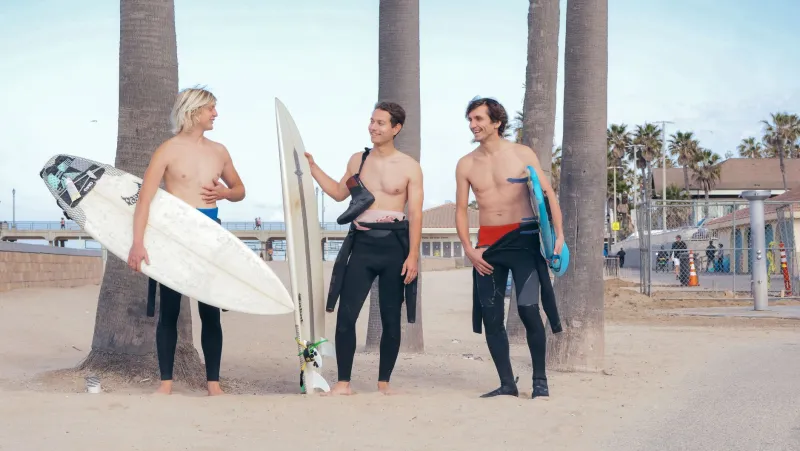
Nobody paddles out hoping to get worked by a closeout set. But ask any honest surfer about their best friendships, and somewhere in the origin story is a spectacular fall, a mouthful of saltwater, and somebody paddling over to check if they're still alive. Turns out, wiping out might be the most powerful community-building tool surfing has.
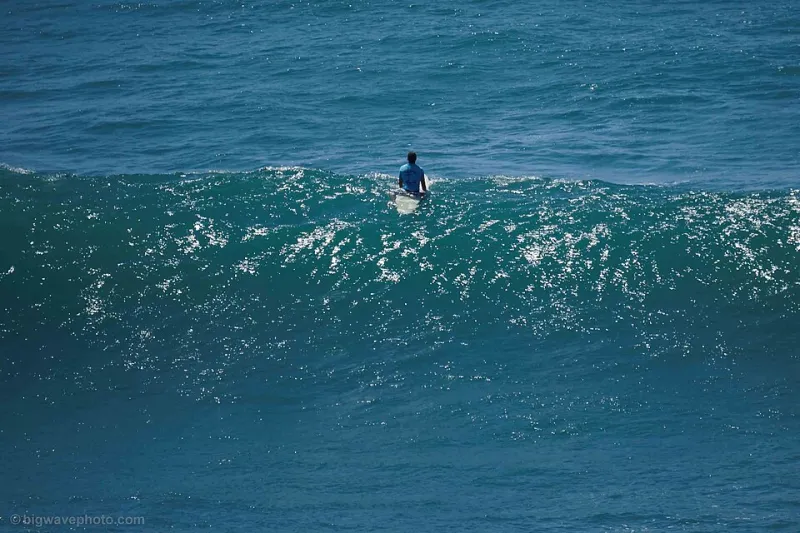
Surf culture loves its highlight reels. The clean barrel. The vertical snap. The nose ride that seems to defy physics. Social feeds are stuffed with perfection, and it's easy to think the whole sport is one long victory lap. But spend a single session at any real American break — Trestles, Ocean Beach, the Outer Banks on a punchy fall swell — and you'll see the truth pretty fast. People fall. Constantly. Gloriously. Sometimes painfully. And what happens right after those falls is where the real culture lives.
The Moment After the Wipeout
There's a specific look that passes between surfers when someone gets absolutely throttled by a wave. It's part wince, part recognition, and — if everyone surfaces okay — part barely suppressed laughter. That shared grimace is a handshake. It says I've been there. I am there regularly. Welcome to the club.
Marcus Delray, a 34-year-old regular at a beach break outside of Wilmington, North Carolina, describes it this way: "You can be out there for an hour and barely say two words to the guys around you. Then somebody gets launched off a lip and their board goes one direction and they go the other, and suddenly everyone's talking. You paddle over, make sure they're good, and now you've got a friend."
That instinct to check on each other isn't just good manners. It's the connective tissue of a lineup. Surfing is, at its core, a solo act — one person, one board, one wave. But the water is shared. And the ocean has a way of reminding everyone, regardless of skill level, that it's in charge.
Pros Fall Too — And They'll Tell You About It
One of the more refreshing things about surf culture, at least at the grassroots level, is that experienced surfers rarely hide their worst moments. If anything, they curate them. Big wipeout stories get told at bonfires, in parking lots, over breakfast burritos at whatever greasy spoon is closest to the beach. The worse the fall, the better the story.
Jamie Kowalski, who spent several years competing on the regional circuit in California before transitioning to coaching, says wiping out in front of a crowd was one of the best things that ever happened to his relationship with the local surf community. "I got absolutely destroyed on a wave at a contest in Ventura — like, held down for what felt like forever, came up without my board, had to swim in. I was embarrassed. But afterward, I had people coming up to me who I'd never spoken to, just saying 'that was gnarly, you okay?' It broke down this wall that competition puts up."
That wall — the competitive distance, the performance anxiety, the pressure to look like you belong — crumbles pretty fast when the ocean decides to humble you publicly. And it turns out, vulnerability is a surprisingly effective social lubricant.
Beginners and the Baptism by Wipeout
For newer surfers, the wipeout experience carries a different weight. Learning to surf in America often means navigating a complex social environment before you've even figured out how to pop up consistently. Lineups can feel intimidating. The fear of getting in someone's way, of looking clueless, of being silently judged — it's real, and it keeps a lot of people from ever paddling out past the whitewash.
But something interesting happens when beginners wipe out and the response from the people around them is warmth instead of eye rolls.
Tanya Osei, who learned to surf at 29 at a break near Santa Cruz, remembers her early sessions as a cycle of tumbling and second-guessing herself. "There was this one afternoon where I just couldn't get anything right. I was falling on everything, getting in people's way, just a mess. And this woman — she had to have been surfing for decades — just paddled over and said, 'Hey, you're doing fine. We all look like that at first.' I almost cried. I've been surfing for five years now and that moment is still why I keep going back."
That kind of mentorship doesn't come from watching someone nail a perfect cutback. It comes from the mutual understanding that the ocean beats everyone up sometimes, and that showing up anyway is the whole point.
The Unwritten Code of Checking In
There's no official rulebook for what to do when someone in the lineup takes a bad fall. But spend enough time in the water and you start to see the patterns. A quick "you good?" hollered across the surface. A paddle-over to retrieve a board that's drifting toward the rocks. A hand extended to help someone back onto their board after a particularly violent tumble.
These small gestures don't make the highlight reel. They don't rack up views. But they're the reason people come back to the same break for years, for decades, and eventually become the ones passing the culture forward to whoever is paddling out nervous for the first time.
Delray puts it simply: "The lineup isn't just about waves. It's about who you're sharing the water with. And you really find out who those people are when things go sideways."
Why American Surf Culture Celebrates the Fall
There's something distinctly American about the way surf culture has come to celebrate resilience over perfection — or at least, the way the best parts of it do. The underdog narrative, the comeback story, the person who gets knocked down and gets back on the board — these aren't just surf tropes. They're woven into the broader cultural fabric.
What makes surfing unique is that the failure is so visible and so immediate. You can't quietly miss a shot or fumble a play when you're getting ragdolled in front of twenty people. The wipeout is public. And somehow, that shared visibility makes it less shameful, not more. Everyone out there has their own catalog of disasters. The ocean is the great equalizer.
The real measure of any surf community isn't how many barrels get made. It's what happens in the moments between waves — who paddles over, who cracks a joke, who offers a hand. The fall is the invitation. The response is the culture.
So next time you go over the falls, come up laughing if you can. Chances are, someone out there just became your new favorite surf buddy.