Living on Salt Time: How Surfers Are Crafting Careers That Keep Them Close to the Water
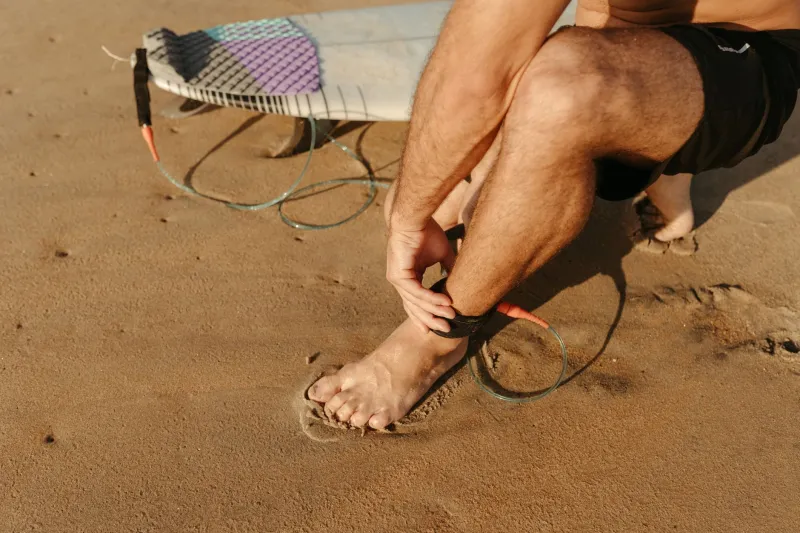
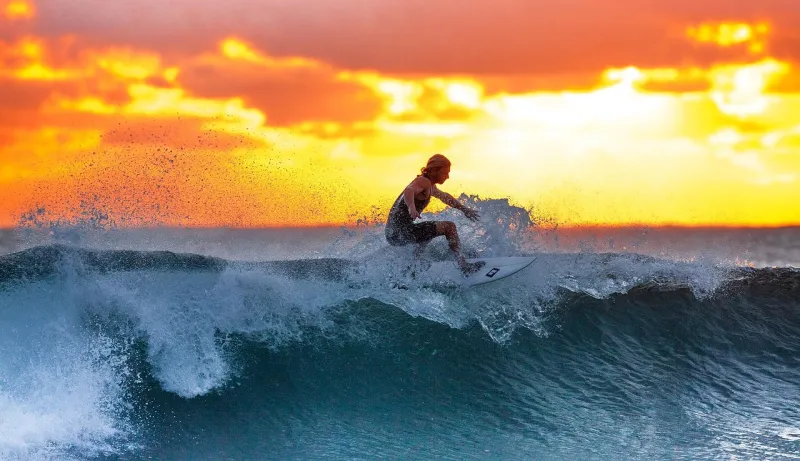
There's a moment every surfer knows — standing in the parking lot at dawn, board under one arm, watching glassy sets roll through while your coworkers are already stuck in traffic somewhere inland. For a lot of people, that moment is a fantasy they visit on weekends. For a growing crew of wave riders up and down the US coastline, it's just a Tuesday.
The idea that you have to choose between financial stability and a surf-centered life is getting harder to defend. Remote work, the creator economy, niche coastal trades, and a boom in outdoor tourism have opened up a whole new kind of career map — one where the commute is a paddle out and the office dress code is board shorts.
The Laptop Lineup
Ask around any beach town coffee shop on a weekday morning and you'll find them: surfers with laptops open, saltwater still drying in their hair, handling client calls and code reviews between sessions. The remote work revolution didn't just shift where people work — it fundamentally changed who gets to live near the ocean without being a trust fund kid or a retiree.
Take Marcus Webb, a UX designer based out of Encinitas, California. He spent six years commuting from San Diego to a tech campus before his company went fully remote in 2020. He never looked back. "I surf mornings, work afternoons, and I'm back in the water before sunset if the tide's right," he says. "My output hasn't changed. My stress levels are completely different."
Marcus isn't an outlier anymore. Coastal communities from Outer Banks, North Carolina, to the North Shore of Oahu are seeing an influx of remote professionals who chose their zip code based on wave quality first and figured the rest out from there. Freelance developers, copywriters, graphic designers, financial analysts — the laptop has become the great equalizer of the surf lifestyle.
Trades That Travel Well (Or Don't Need To)
Not everyone wants to stare at a screen between sessions. For plenty of surfers, the answer to the career question is something you do with your hands — and something that coastal communities genuinely need.
Electricians, plumbers, marine mechanics, and solar installers are in serious demand in beach towns across the country. The work is local, the pay is solid, and the schedule — especially for self-employed tradespeople — can be structured around the surf report. Danny Castillo, who runs a small solar installation company out of New Smyrna Beach, Florida, has built his entire workflow around the weather. "If it's firing, I'm not booking jobs that morning. My clients know it. Half of them surf too."
Board repair and shaping sit at the more obvious end of the spectrum, but the economics are real. Skilled ding repair techs are never short on work in a town with a surf shop, and shapers who build a local following can move boards steadily without chasing a national brand. It's not a get-rich path, but for someone who wants to spend their days in a glassing room talking about rocker profiles and tail shapes, it's about as close to the dream as it gets.
The Guide Life
Eco-tourism and surf guiding have exploded along the US coastline, and they've created a legitimate career lane for surfers who are as comfortable explaining a rip current as they are riding one. From guided surf tours in Santa Cruz to stand-up paddleboard eco-excursions through Florida's mangroves, outdoor tourism has matured into a real industry — one that rewards local knowledge and genuine stoke in equal measure.
Jenna Okafor left a marketing job in Chicago to become a certified surf instructor and coastal kayak guide on the Outer Banks. Three years in, she runs her own small guiding operation, leads women's surf clinics, and supplements the seasonal income with an online coaching program she built herself. "I make less than I did in the city," she says honestly. "But I also don't spend money on things I don't care about anymore. The math works out differently when you're actually happy."
Jenna's story points to something a lot of surf-career builders have figured out: the lifestyle itself tends to recalibrate your relationship with spending. You don't need as much when the ocean is free.
Building an Audience, Building a Business
The creator economy has given surfers something previous generations never had — a direct line to an audience that wants exactly what they're already doing. YouTube channels, Instagram accounts, Substack newsletters, and Patreon communities built around surfing, coastal living, and board culture are generating real revenue for people who never intended to become content creators.
It's not just the big-name pros. Micro-influencers with a few thousand engaged followers are landing brand partnerships with wetsuit companies, sunscreen brands, and surf hardware labels. Surfers who know how to write are pitching travel features to outdoor magazines. Photographers who learned their craft chasing dawn patrol at their home break are licensing images and selling prints.
The common thread isn't a massive following — it's authenticity. The surfing audience has a finely tuned radar for people who are actually in the water versus people who are performing a lifestyle. The ones who break through are the ones who were already living it before they ever hit record.
The Real Currency
What ties all of these paths together isn't a specific job title or income bracket. It's a fundamental decision to treat time in the water as a non-negotiable — and then build the rest of life around that anchor.
That's not a naive or reckless approach. It requires creativity, hustle, and a willingness to patch together income streams that a traditional career counselor might find baffling. But the surfers who've made it work will tell you the same thing: the stability they found isn't measured in a 401(k) match or a corner office. It's measured in sessions.
For the surf community, that's always been the real currency anyway. The parade keeps moving — and more and more, the people in it have figured out how to ride it on their own terms.