Small Contests, Big Dreams: Inside the Regional Surf Circuit Shaping America's Next Wave of Competitors
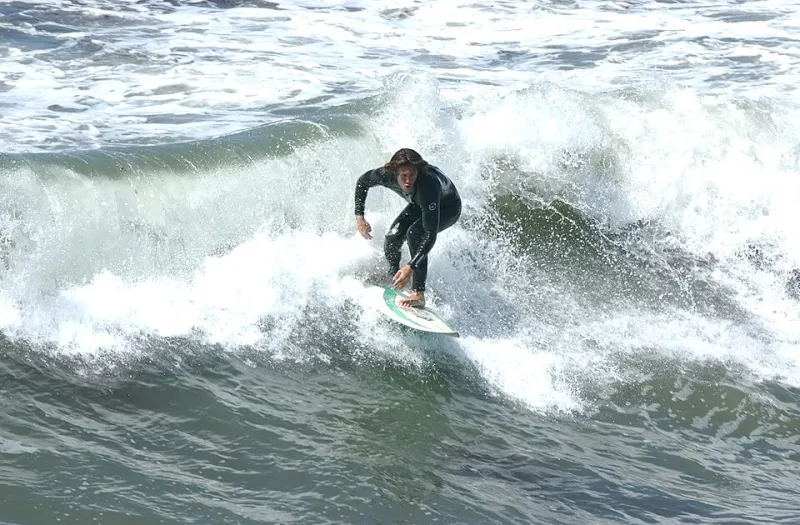
Photo: U.S. Navy photo by Journalist 3rd Class Jessica O’Haver., Public domain, via Wikimedia Commons
The judges' scaffolding isn't much to look at — a couple of canopies lashed together, a whiteboard with heat times scrawled in marker, and a PA system that cuts out every time someone cranks the volume. But out in the water, a fifteen-year-old from Wilmington, North Carolina is threading a backside snap through a crumbling beach break like she's been doing it her whole life. Because she has. And today, in front of maybe two hundred people, she's doing it for a score.
This is grassroots competitive surfing. No live stream. No prize money worth bragging about. No agents lurking near the water. Just surfers, community, and the very real hunger to prove something.
Across the country, from the Outer Banks to the Gulf Coast to the Pacific Northwest, a dense network of regional surf competitions is quietly doing the heavy lifting that the professional tour never had to bother with — building the sport from the sand up.
More Than a Stepping Stone
It's easy to frame regional contests purely as feeder events, rungs on a ladder that only matters if you're climbing toward the Championship Tour. And sure, a handful of competitors who've come up through local circuits have eventually punched through to national and international stages. But that framing misses the bigger picture.
For the vast majority of people competing in these events, the circuit is the destination. It's not a means to an end — it's the whole point.
"I've been competing on the East Coast regional circuit for six years," says Marcus Delray, a 28-year-old carpenter and surfer based out of Virginia Beach. "I'm not going pro. I know that. But those contests are the highlight of my year. I train for them, I travel for them, I've made my closest friends through them."
That sense of purpose and identity — built through competition rather than just casual surfing — is something the grassroots scene provides in ways that no social media feed or surf camp ever could. You show up, you put your name in, you paddle out, and the ocean decides the rest. There's something clarifying about that.
Regional Rivalries and the Geography of Stoke
One of the most underrated things about the regional circuit is how it creates genuine geographic identity within surf culture. The rivalry between Florida's Space Coast competitors and those coming up from the Treasure Coast isn't just friendly banter — it's a living, breathing expression of local pride that gives events real stakes.
Same goes for California's Central Coast scene, where surfers from Santa Cruz, Morro Bay, and San Luis Obispo have been trading regional bragging rights for decades. Or the Pacific Northwest, where a small but fiercely dedicated community of Oregon and Washington surfers show up to compete in water temperatures that would send most people straight back to the parking lot.
These regional identities matter. They give surfers something to represent beyond themselves. They create storylines that local communities can follow across a season. And they make the sport feel less like an individual pursuit and more like something shared.
"When you're wearing your home break's colors at a regional event, you're not just surfing for yourself," explains Talia Okonkwo, who helps organize the Carolina Surf Series. "You're surfing for your crew, your beach, your town. That's a different kind of motivation."
Who's Running the Show
The infrastructure behind these events is almost entirely volunteer-driven, which is both its greatest strength and its most persistent challenge. Most regional series are organized by surf clubs, local nonprofits, or small coalitions of dedicated community members who book the beach permits, wrangle sponsors, recruit judges, and spend their own weekends making it happen.
The Eastern Surfing Association, one of the oldest and most established grassroots surf organizations in the country, has been facilitating competitive pathways along the East Coast for decades. On the West Coast, organizations like the Scholastic Surf Series have created structured competition environments specifically targeting younger surfers, with an emphasis on keeping things accessible regardless of income level.
But plenty of events exist outside any formal structure at all — one-off contests put together by a local shop, a beach town's summer festival circuit, or a surf school that wants to give its students something to train toward. These informal events might not count toward any ranking, but they often have the most electric energy of all.
"There's something about a contest that doesn't take itself too seriously," says Diego Fuentes, who runs a small surf school near Galveston, Texas. "The Gulf doesn't always cooperate. Sometimes we're judging two-foot slop. But people are out there going hard. Because it matters to them."
The Democratization of Competition
One of the most meaningful things the regional circuit does is create competitive space for surfers who would never fit the traditional mold of a "competitor." Age divisions for masters and seniors mean that a 50-year-old can still chase a trophy. Longboard and alternative craft divisions make room for surfers whose style doesn't translate to a shortboard heat format. Adaptive divisions, still growing but increasingly present, are opening the competitive experience to surfers with physical disabilities.
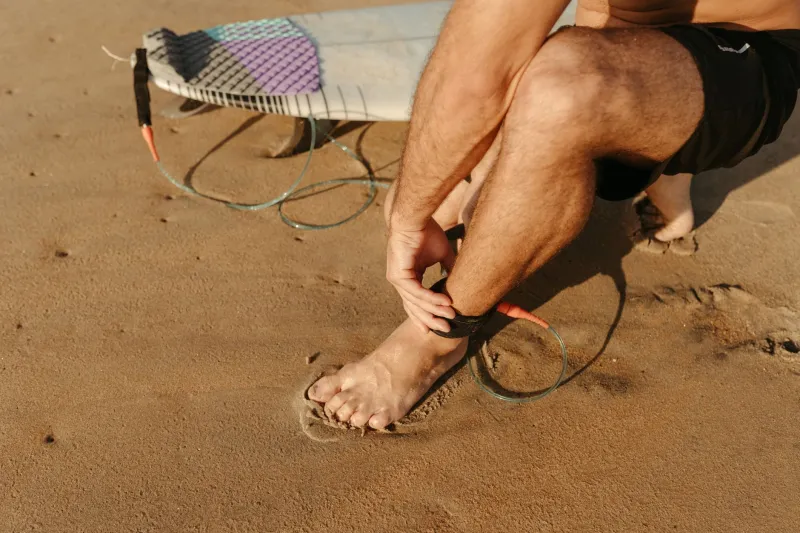
Then there's the financial piece. Entry fees for regional events are generally a fraction of what you'd pay for any kind of nationally sanctioned competition, and the barrier to participation is deliberately kept low. You don't need a sponsor. You don't need a coach. You need a board, a leash, and the guts to paddle out when your heat number gets called.
That accessibility is exactly why these events punch above their weight when it comes to growing the overall surf community. Every person who competes in a local contest, regardless of how they place, goes home more connected to surfing as a culture — not just a hobby.
What Comes Next
The regional circuit isn't without its growing pains. Funding is perpetually tight. Finding qualified judges willing to volunteer their time is a constant scramble. Climate variability means that events planned around reliable seasonal swells are increasingly subject to the whims of a changing ocean.
But the momentum is real. Social media has given smaller events a platform they never had before, allowing them to build followings, attract modest sponsorships from local businesses, and document the kind of raw, authentic surfing moments that resonate far beyond the immediate community.
More importantly, the culture around these events is healthy. Parents bringing their kids to watch. Old-timers mentoring the younger generation between heats. Surfers from competing regions swapping spots and trading wax in the parking lot after the horn sounds.
That's the circuit at its best — not a pipeline to professional surfing, but a living ecosystem where the sport sustains itself, passes itself forward, and reminds everyone involved why they got hooked in the first place.
The banner might be hand-painted. The trophies might be a little wobbly. But out in the lineup, something real is happening. And that's more than enough.