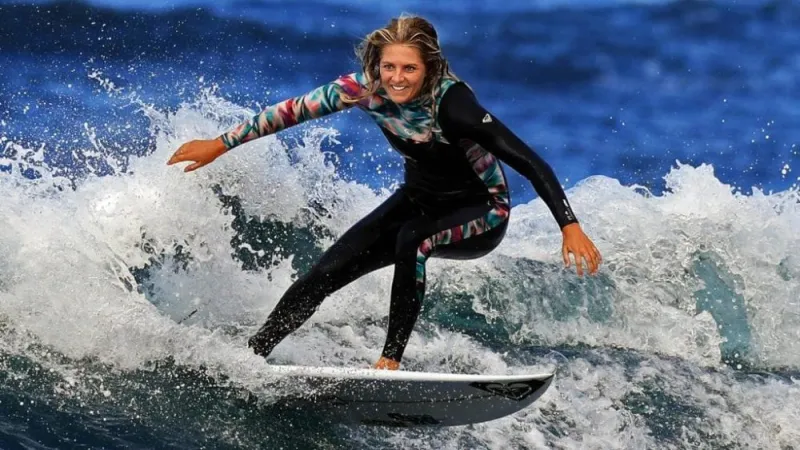
Salt in the Seams: How Surf Culture Quietly Took Over American Fashion
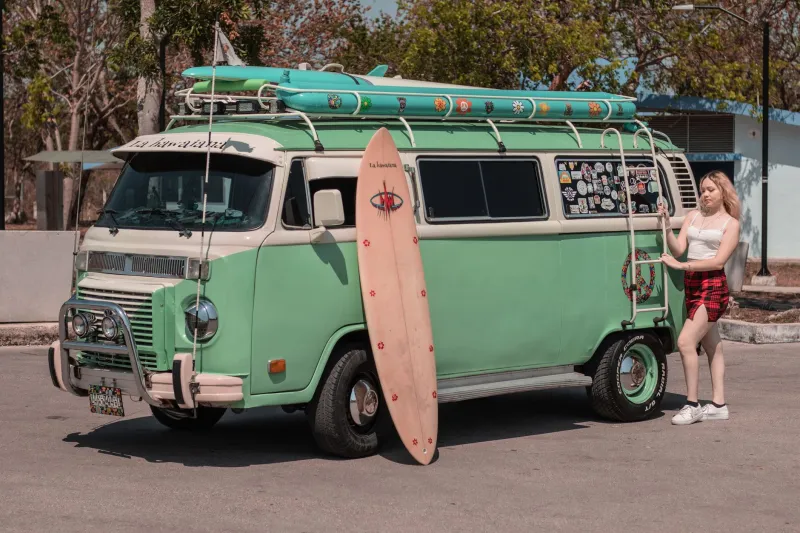
Surfing was never supposed to sell anything. Born from Hawaiian tradition and sharpened by California rebels, it was a way of life that actively resisted being packaged. So how did boardshorts, faded tees, and the whole sun-bleached aesthetic end up on runways, in corporate offices, and across the feeds of kids who've never seen the Pacific?
The answer is complicated — and kind of beautiful, depending on how you look at it.
The Original Anti-Brand
Go back to the early days of surf culture in the continental US and you'll find something pretty rare: a subculture that genuinely didn't care what you thought of it. The guys shaping boards in garages in Huntington Beach or paddling out at Malibu in the late '50s weren't building a lifestyle brand. They were building a life. The clothes were functional — trunks that could take a beating, light fabrics that dried fast, bare feet wherever possible. The look wasn't curated. It was just what happened when you spent every available hour in the water.
That indifference to convention was, ironically, exactly what made it magnetic.
By the time the '60s rolled in, Hollywood had already started borrowing surf aesthetics for movies and music. Gidget. The Beach Boys. A certain golden-hour glow that the rest of America couldn't help but want a piece of. The culture was being watched long before it was being sold.
When the Rebellion Got a Price Tag
The commercialization didn't happen overnight, and it didn't happen cleanly. Brands like Hang Ten and Lightning Bolt emerged from the surf world itself — founded by shapers and surfers who needed to make rent. Then came Quiksilver, Billabong, and Rip Curl, companies that started genuinely embedded in the culture and gradually grew into global operations worth hundreds of millions.
Those brands carried something real with them for a long time. The people running them had callused hands and spray-tan lines. The athletes they sponsored were actual rippers. But as the money grew, so did the distance between the product and the water it was supposedly born from.
By the 2000s, you could buy a full "surf-inspired" outfit at a mall in Kansas City from a brand that had never once consulted a surfer about anything. The aesthetic had fully decoupled from the activity.
The Paradox Nobody Talks About
Here's the thing that cultural critics have been quietly wrestling with for years: surf fashion's mainstream explosion was powered almost entirely by the culture's anti-establishment energy — and that energy only existed because surfing didn't care about going mainstream.
Once it did, some of that charge dissipated. The faded-out graphic tee that once signaled "I live for the ocean" became something you grabbed at Target because it looked chill. The boardshort silhouette migrated into athleisure. The worn-in, salt-washed color palette became a go-to move for brands selling everything from furniture to health supplements.
Designers started talking openly about surf aesthetics as a "mood" — relaxed, sun-touched, effortlessly cool. And they weren't wrong about the mood. They just stripped out the context that gave it meaning.
High Fashion Paddles Out
What's genuinely surprising is how far up the fashion ladder surf aesthetics have climbed. In recent seasons, luxury labels have sent looks down the runway that are unmistakably surf-coded — neoprene textures, surf-logo typography, color blocking that screams '90s contest jersey. Hermès released a silk scarf featuring wave illustrations. Noah, the New York brand with deep roots in skate and surf, has built an entire identity around honoring the culture without exploiting it.
Even workwear has absorbed the influence. The "business casual" conversation in tech-forward cities like Austin and Seattle increasingly includes pieces that wouldn't look out of place on a beach cruiser ride to the point break. Linen shirts, relaxed-fit chinos, slip-on shoes — the whole uniform is surf-adjacent, whether anyone admits it or not.
What Gets Lost, What Gets Passed On
There's a legitimate grief in the surf community about all of this. When your culture becomes a costume, something real does get diluted. The shorthand that once connected strangers in a lineup — the right fin setup, the right wax brand on the deck, the right sun-cracked sticker on a beater van — loses its signal value when everyone's wearing the uniform without doing the work.
But there's another side to this worth sitting with.
Every kid in a landlocked state who discovers surf culture through fashion might eventually find their way to an actual wave pool, a lake, a river break, or a first trip to the coast. The aesthetic, hollow as it can sometimes feel, has genuinely introduced people to the sport who wouldn't have found it otherwise. Some of them stuck around. Some of them are ripping now.
The culture has always been porous. Hawaiian surfers didn't exactly gate-keep when they introduced the sport to California. California didn't gate-keep when surf movies went national. The expansion has costs, but it also carries the stoke somewhere new every time.
Keeping It Honest
The brands and designers doing it right seem to share one quality: they stay close to the water. Whether that means sponsoring local events, working directly with shapers, hiring people who actually surf, or just being honest about where the inspiration comes from — there's a difference between referencing a culture and being in conversation with it.
The grassroots side of the surf world has always been good at sniffing out the difference. You can feel it when a brand is performing surf versus living it. The community notices, even when it doesn't say anything out loud.
At Surfboards on Parade, we've watched this tension play out for years. The parade keeps moving — new brands, new aesthetics, new interpretations of what it means to carry salt in your seams. Some of it rings true. Some of it doesn't.
But the ocean doesn't care either way. It just keeps offering waves to anyone willing to paddle out.